
Having planned 5 Around the World trips in the past 7 years, I am often asked two questions. The first is “How do you DO that?”
I don’t know, it just comes naturally when I follow my passions; prioritize mostly new and unusual destinations, connect with locals, and sniff out exceptional food and coffee. In brief, Places, People, and Plates.
It’s The Other Question that has me stumped.
“So, what was the highlight of your trip?”
In May, we wrapped up the latest Around the World adventure. 75 days, 5 continents, 8 countries, 11 flights, 18 days at sea, 1 home exchange, and roughly 500 miles by foot on what were once pristine grey blue Hokas.
What was the highlight?
Where to start?
My mind is still processing what my eyes and ears and nose and mouth and SOUL experienced. Hence, the need for a bit of a discipline. Because the memories are already starting to fade. So before they are relegated to that distant place in my mind, I am sifting through the pinnacle moments.
Care to come along for the ride? I’ll even go in order, the way we actually circumnavigated the globe, to keep it real.
Today we’ll focus on the first segment – Turkey, Ethiopia, and Malaysia.
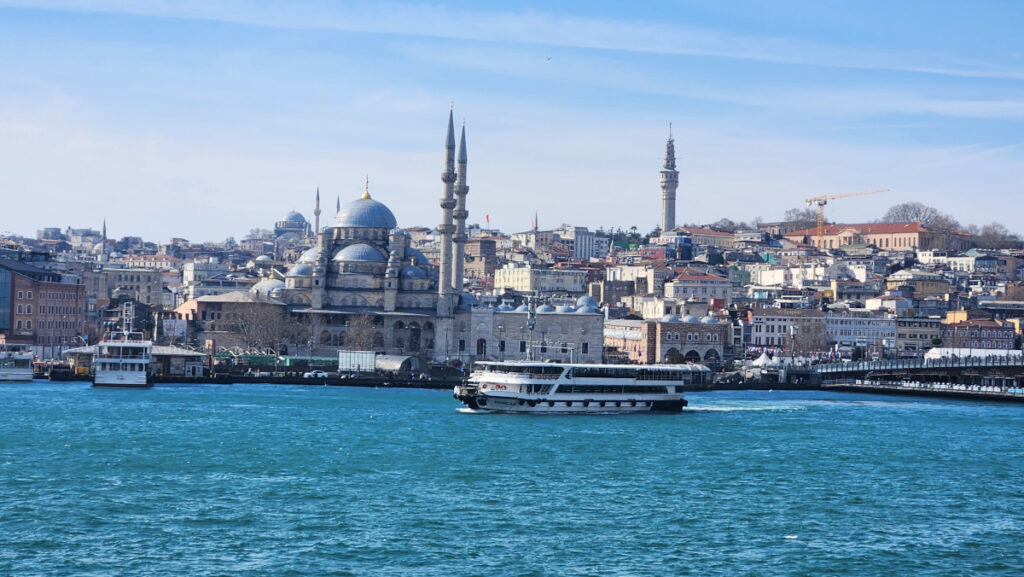
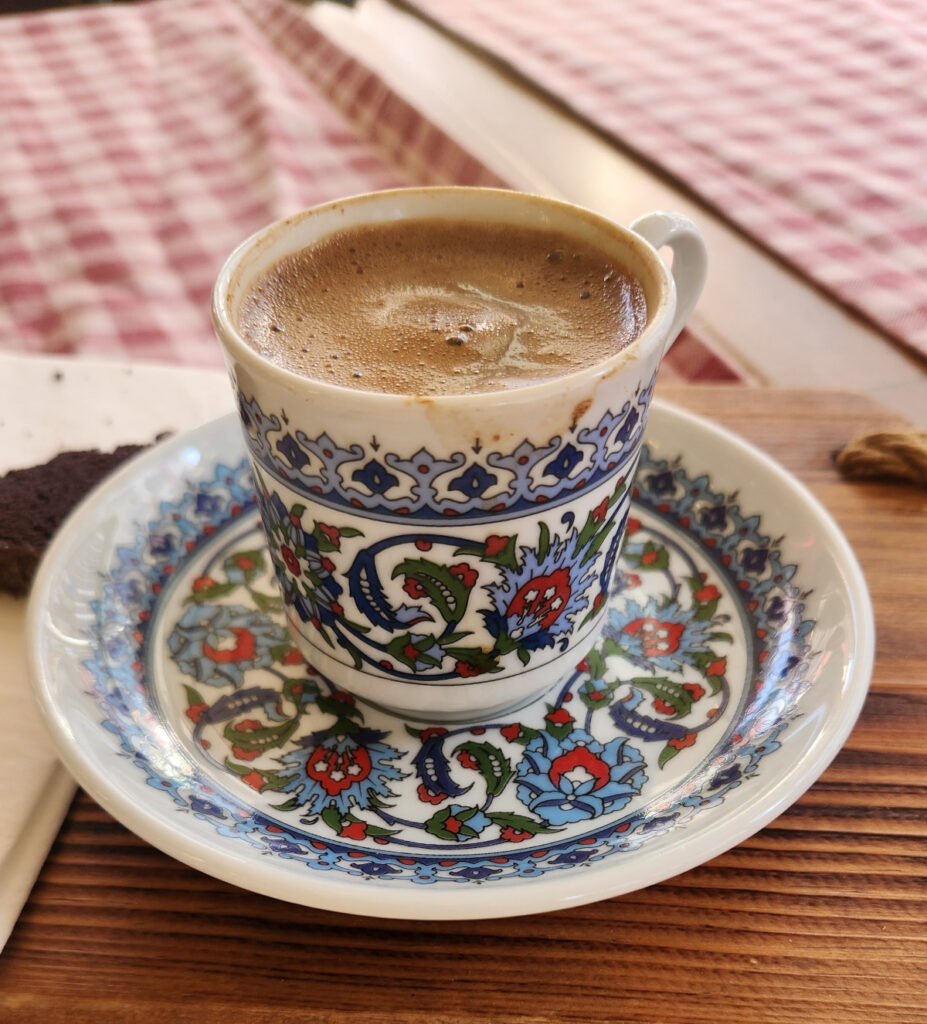
1. Istanbul, Turkey – not my first or even second visit here but this fascinating city is always a treat. The ferry ride from Europe to Asia and back to Europe contends for first place, as does tucking into delicious kebaps, seedy Simit breads, decadent sweets, and thick Turkish coffee. But the unquestionable highlight was spending an evening with the Whirling Dervishes.
Dervishes, members of the Sufi order, are named based on the Persian word “darvish”, signifying someone who turns himself away from the material world and devotes himself to God.
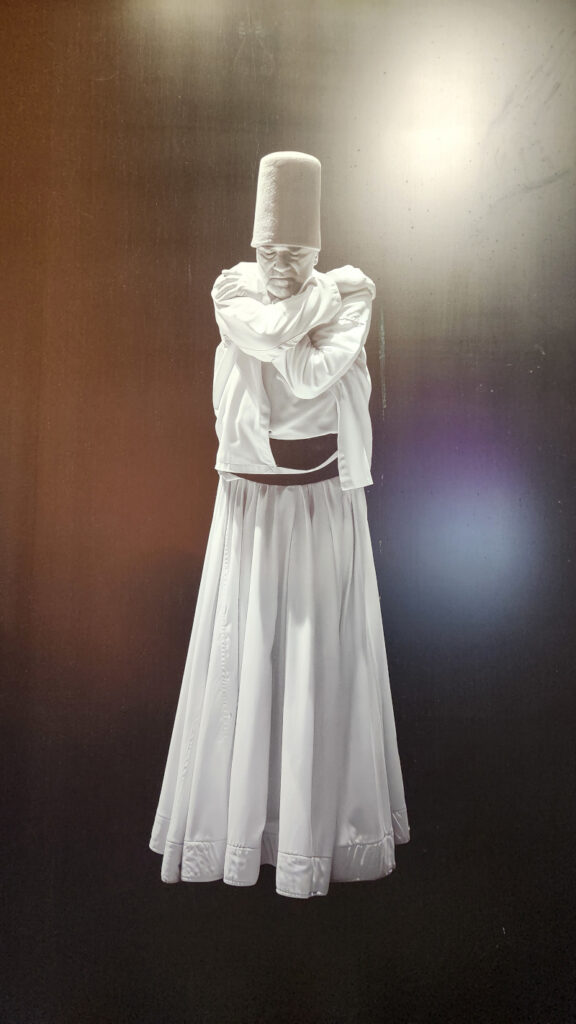
By a stroke of luck, I was seated a mere few feet away from these wondrous, spiritual beings. This gave me the prized vantage point to observe their unique facial expressions and even their breathing as they twirled themselves into a trance while 7 musicians performed spiritual music on flutes, kettledrums, a lute, and copper cymbals.
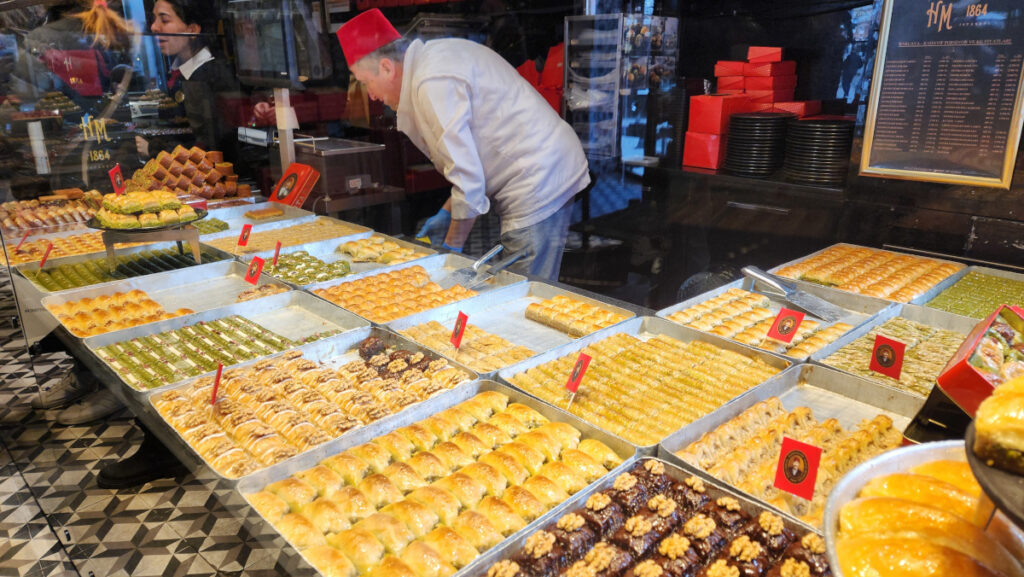
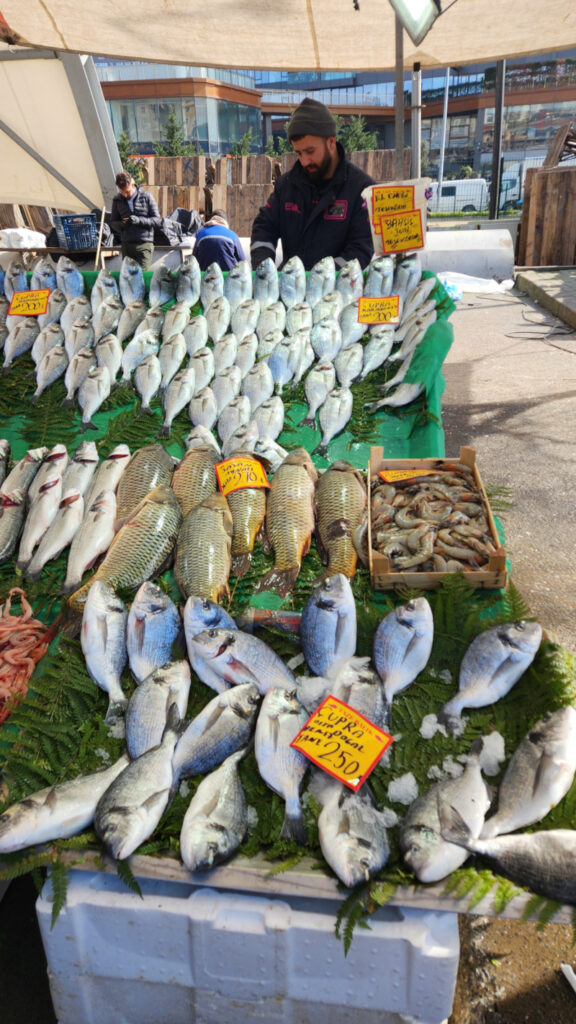
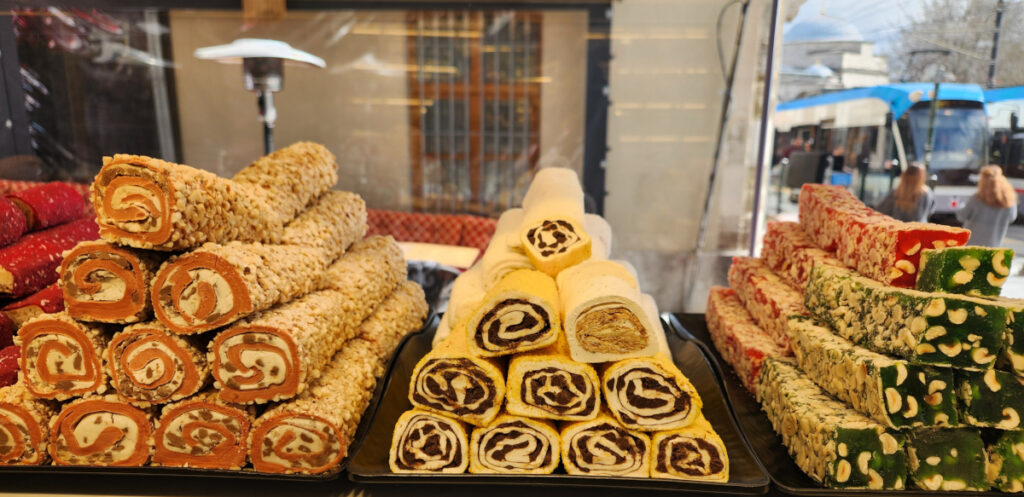
The food scene is Turkey is always a draw. Even my nemesis fish were displayed beautifully. And the famed sweets did not disappoint. I would return in a heartbeat.
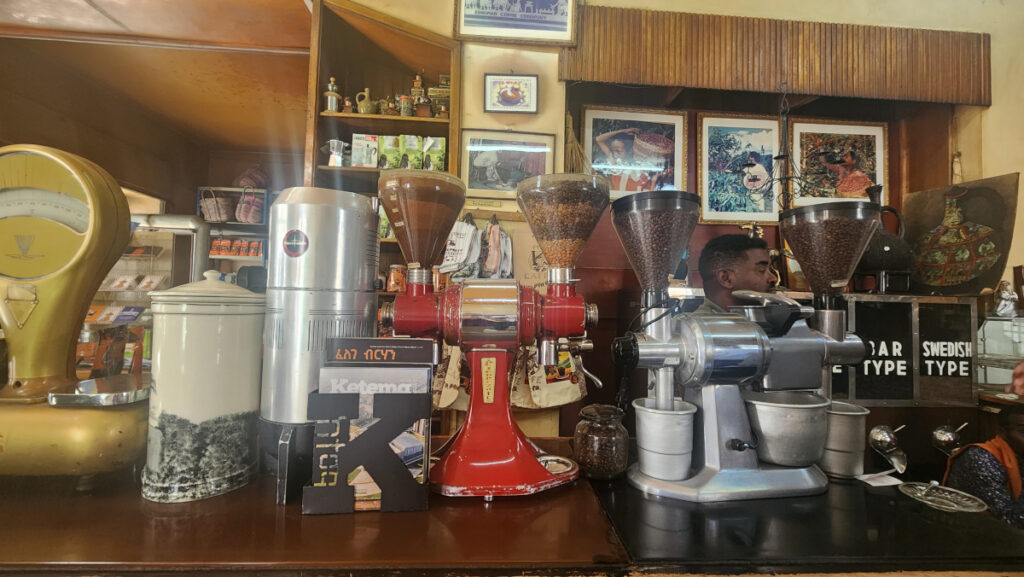
2. Addis Ababa, Ethiopia – just BEING in Ethiopia was heady. Drinking locally-grown and roasted coffee at Café Tomoko (founded in 1953) felt surreal.
As the only white people, we garnered inquisitive stares wherever we travelled.
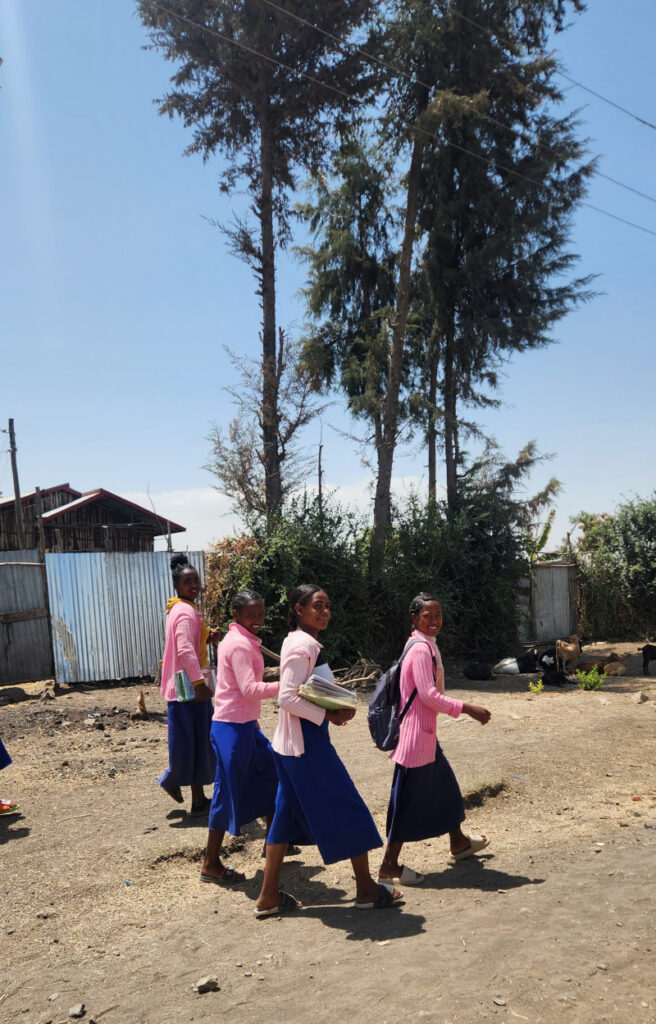
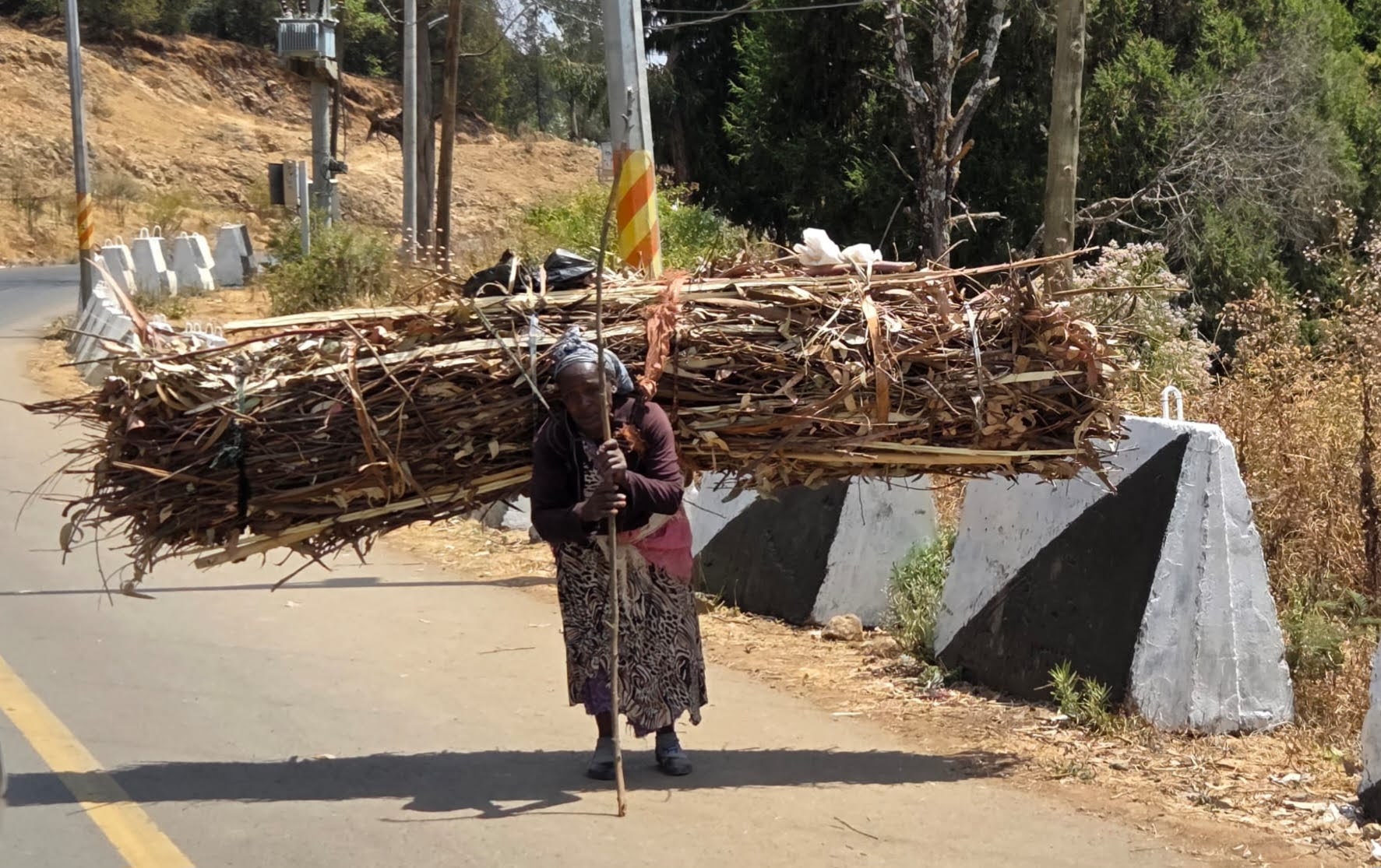
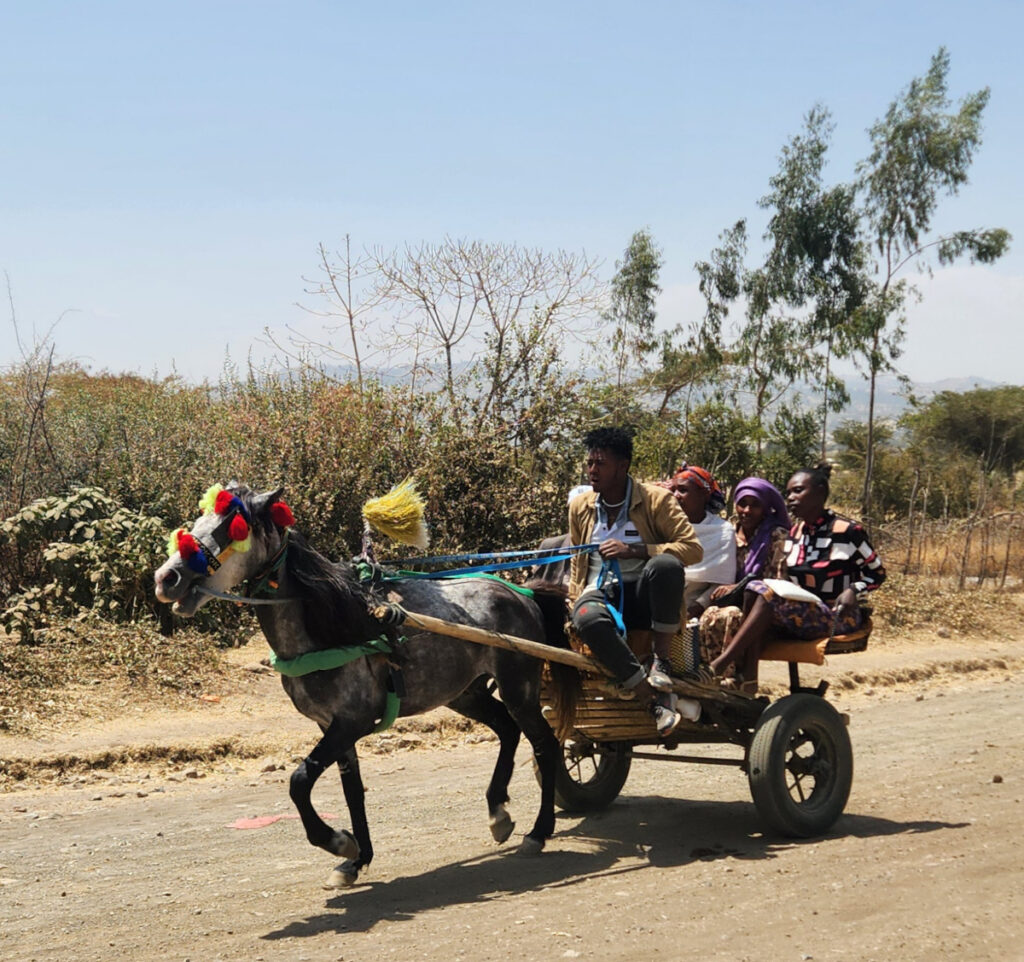
I had expected this destination’s highlight would be dinner at Ethiopian/Swedish wonder Chef Marcus Samuelsson’s new restaurant. In fact, it was the day we travelled 3 hours (to cover 40 miles of “roads”), alongside beasts of burden (Donkeys! Camels! Sheep! Goats!) and schoolchildren holding hands or carrying colorful plastic tubs of water, to reach the weekly market in Oromo.
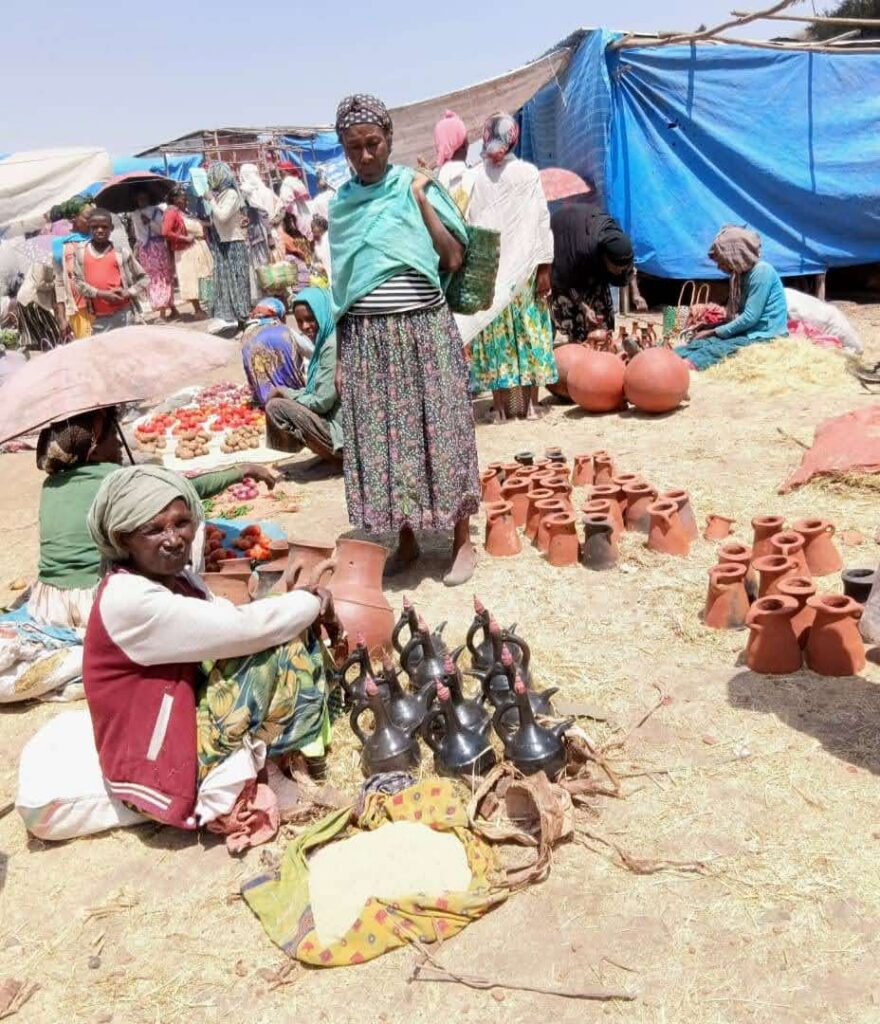
The Oromo market women sold a mere handful of things – used clothes and shoes, black coffeepots, onions, garlic, strong-smelling soap, spices, cabbages, and grains like teff and wheat, but apparently this was THE place to pick up a husband or wife!
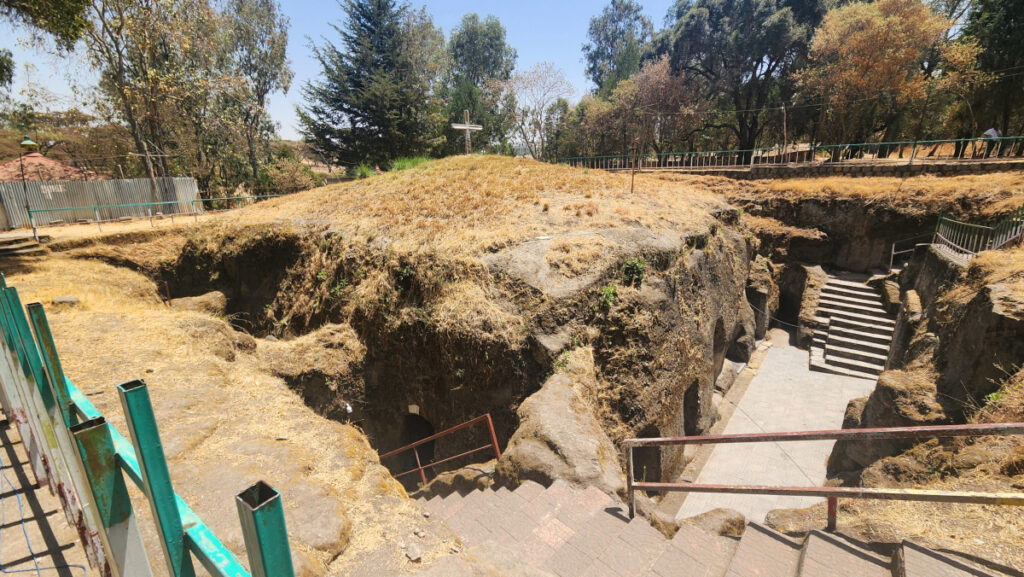
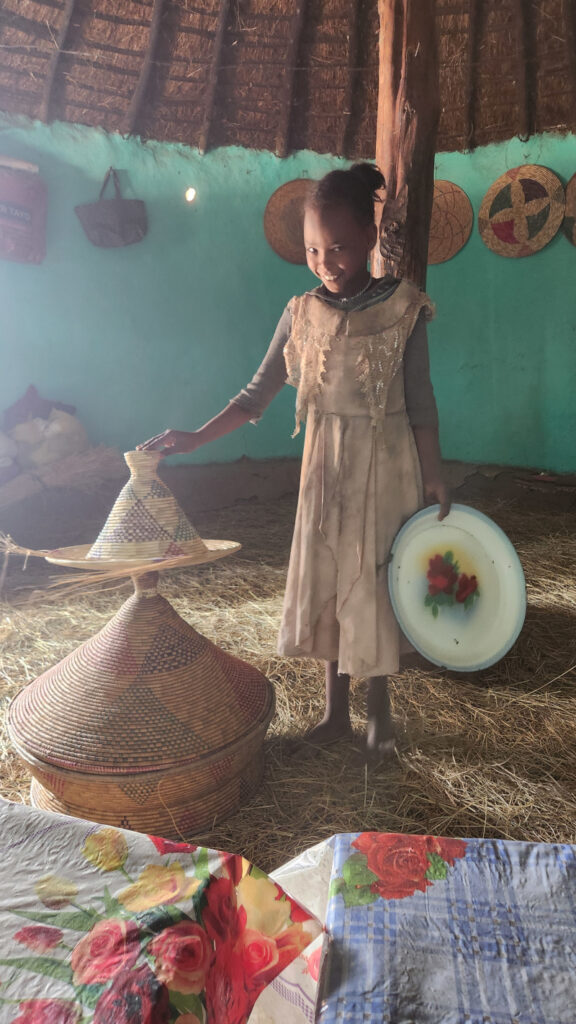
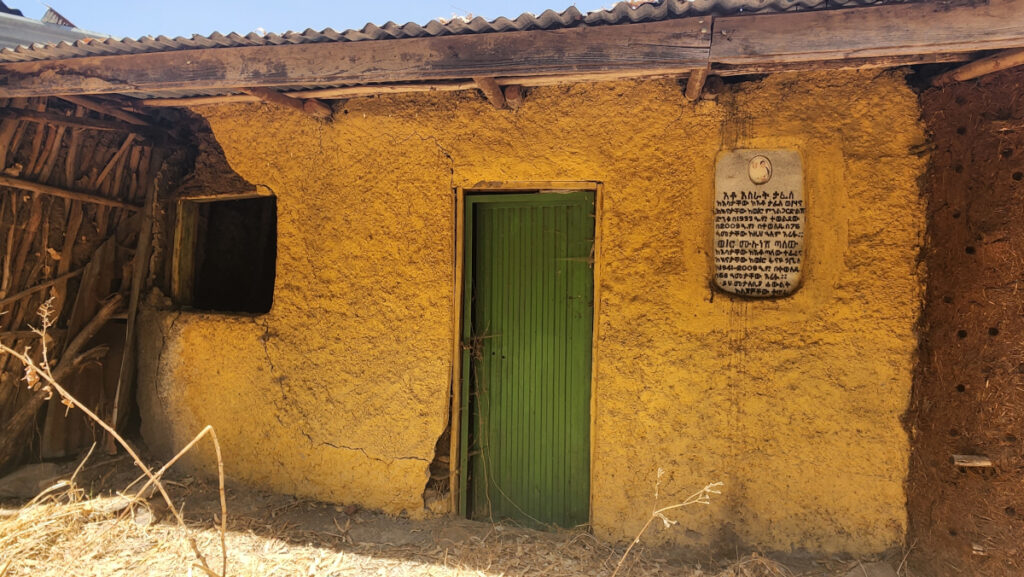
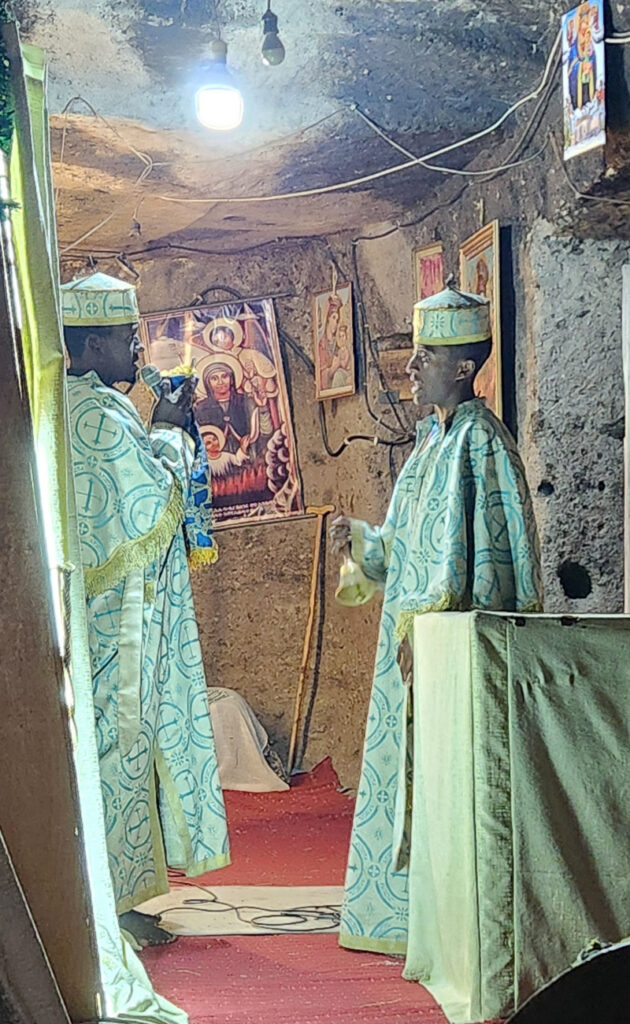
The local rock church, over 800 years old, was fascinating as was the invitation into a local family’s hut for injera (Ethiopian spongy bread made from teff flour) and Araki, a local brew distilled through a stone-fired bread.
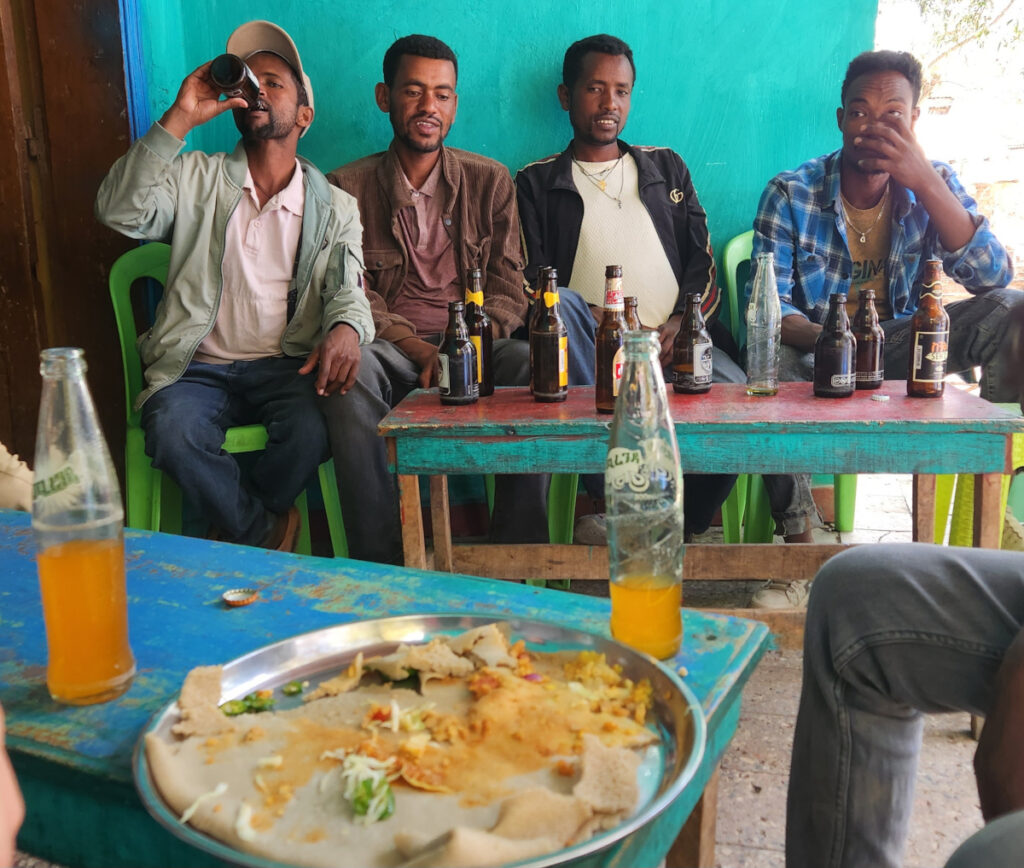
But when I close my eyes to summon the most prominent impressions of this land, I find myself back at the watering hole where we patiently waited for Lenten services to conclude so we could visit the rock church. Hard to tell what the local men were enjoying more – the beer which set you back 40 cents per bottle – or the very out-of-place couple from California who were debating the hazards of sampling injera topped with lentil stew. Given our remote, dusty location, I passed on this offering as well as what we later saw listed as “Chick Pee Stew” and “Crashed Ice.”
Dorothy, we’re not in Kansas anymore
3. Kuala Lumpur, Malaysia
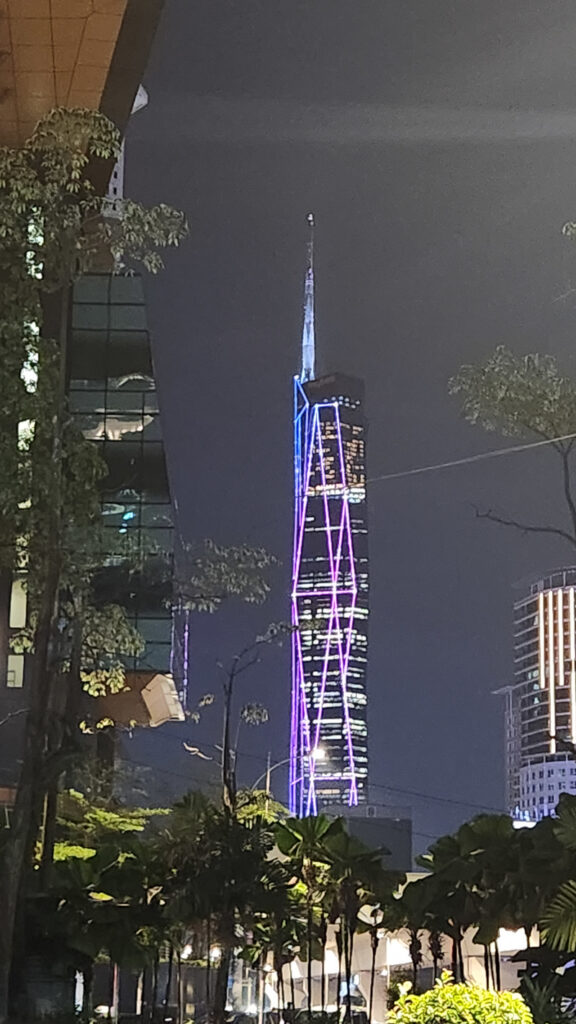
A whirlwind first visit to this country – boy did we cover some ground in just a couple of humid days which coincided with Ramadan. Arriving late at night and choosing the airport train versus a “Grab” (local Uber) meant that when we disembarked and left the station behind, our eyes feasted on an unexpectedly impressive skyline blazing in the inky night.
We quickly came to enjoy KL – a lot. The confluence of cultures (Indian, Chinese, Malay), the delicious food, the handicrafts…and when the humidity became too much, there were gleaming modern malls in which to cool off or sweat it out with a bowl of fiery noodles. And my very favorite chocolate – Laderach – imported directly from Switzerland.
Speaking of confluence, the name Kuala Lumpur translates to “Muddy Confluence” due to the city arising from the meeting point of two rivers. How’s that for some useful trivia quiz knowledge or cocktail party conversation?
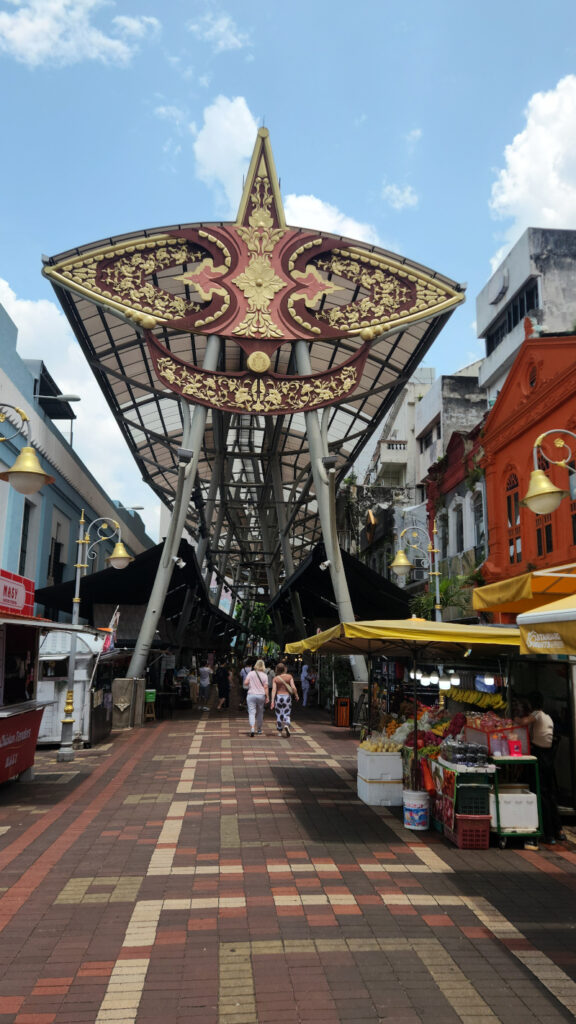
Our exploration covered markets galore including the Art Deco-styled Central Market, known as Pasar Seni. 140 years ago this was a wet market for tin miners, but transformed in the 1980’s into a center for all sorts of enticing local handicrafts, food, clothing and souvenirs.
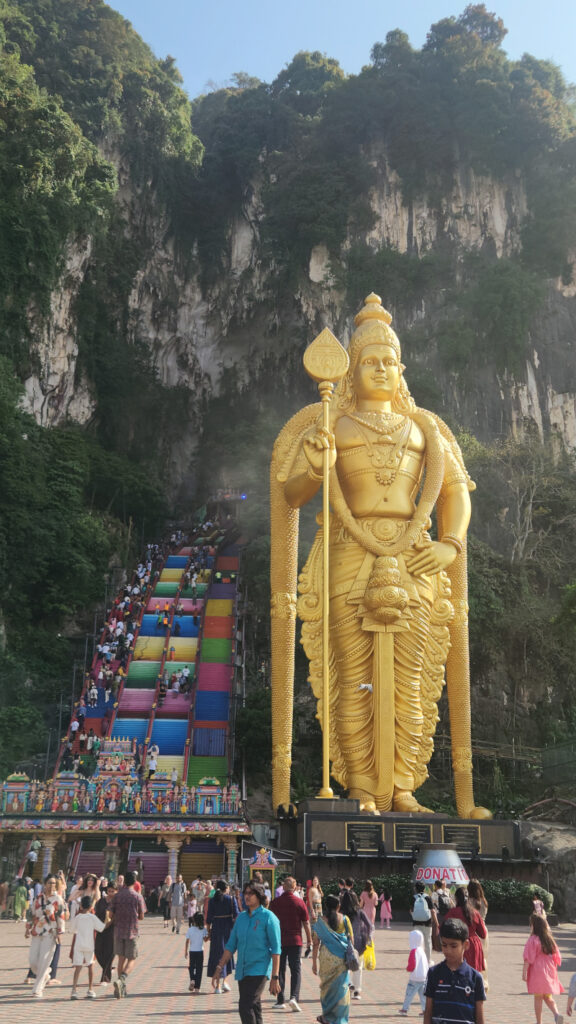
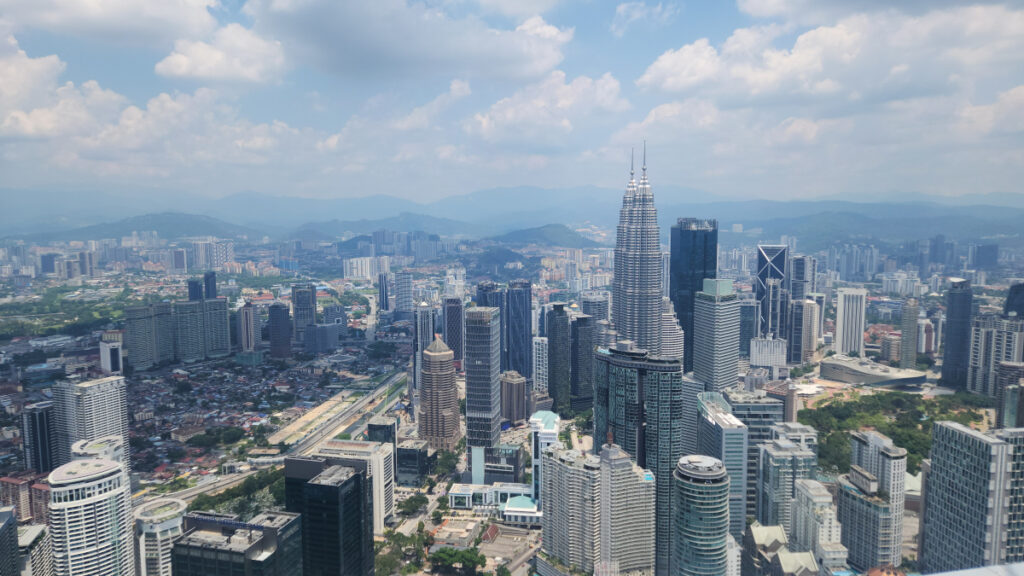
We participated in several mainstream attractions; climbing the 300 steps to the monkey-saturated Hindu temple at the Baku caves, riding to the summit of the KL Tower, visiting the red-festooned Chinese temple and the Moorish mosque. Nonetheless, my favorite memory is from the Budaya craft heritage area where we encountered a calico cat lazily lounging on the cool floor of a painter’s hut while the artist prostrated himself on a prayer rug and succumbed to the call to worship.
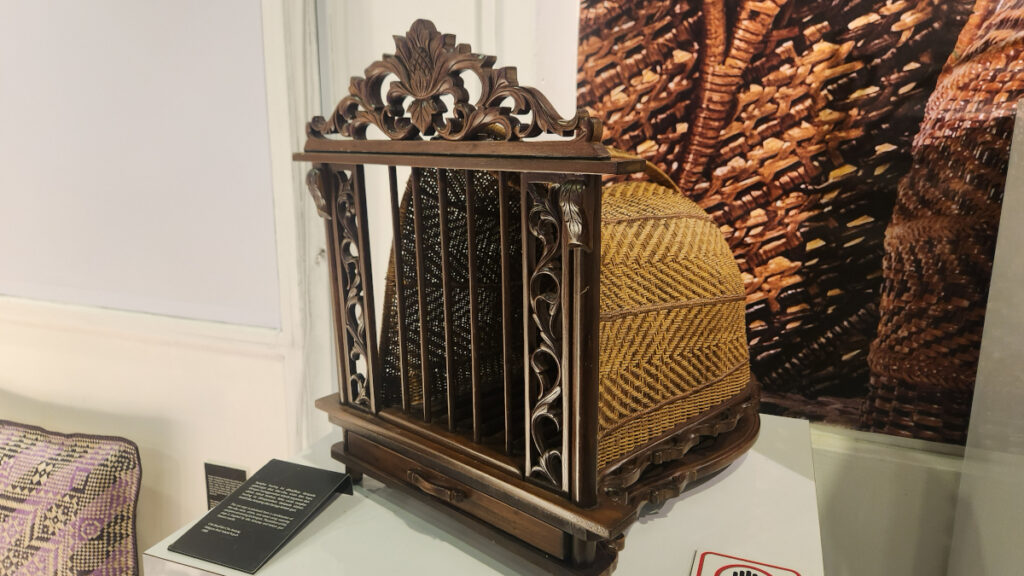
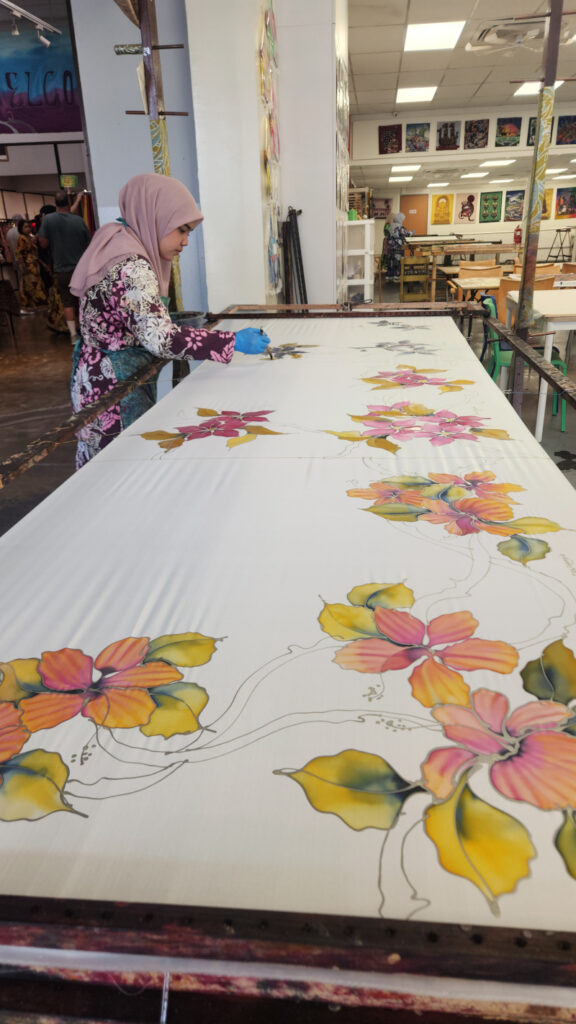
In this area we also stumbled upon an excellent handicrafts museum featuring an array of beautiful pieces including woven quail cages, hand dyed batik, and songket – fabric with interwoven shimmery gold and silver threading.
Dinner at the Malay restaurant Bijan was utterly delicious. Our dishes included wild fern stir fried with chili-caramelized coconut, spicy and sour young mango salad tossed in sambal belacan, lime and chili dressing with torch ginger flower and roasted peanuts, Gulai Kambing – Australian lamb leg braised with turmeric, lemongrass, and spices and rice cooked in coconut milk and pandan leaves with peanuts and sambal. Dessert was Sago Gula Melaka – chilled sago (similar to tapioca pearls) with coconut milk and palm sugar syrup. YUM!
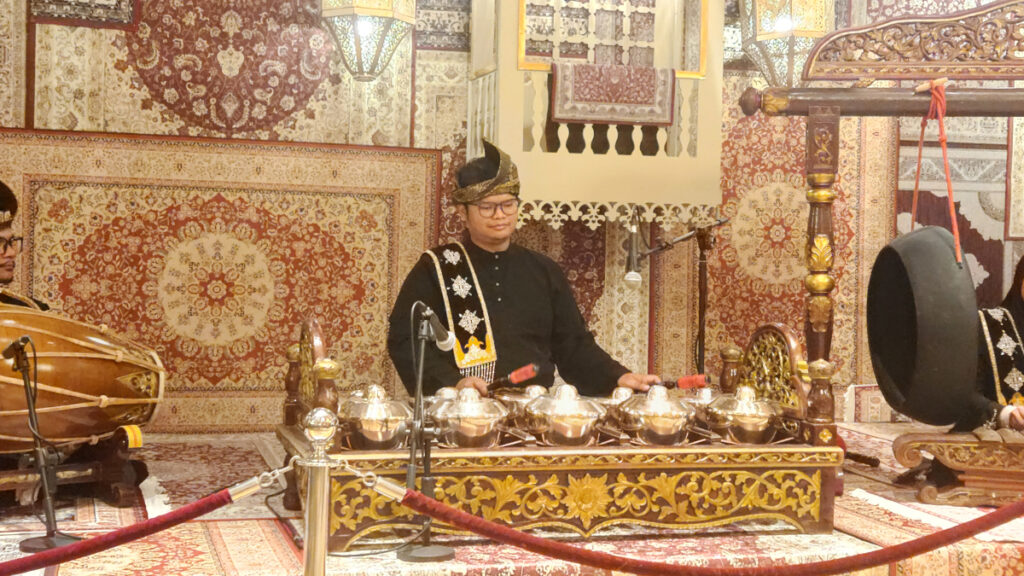
The walking route back to the hotel steered us through a bustling night market and Durian Street completely with that er, “fragrant” scent emanating into the humid night. Once in our blissfully air-conditioned lobby, we were regaled with the otherworldly sounds of traditional gamelan music.
A fine way to cap an unexpectedly wonderful day.
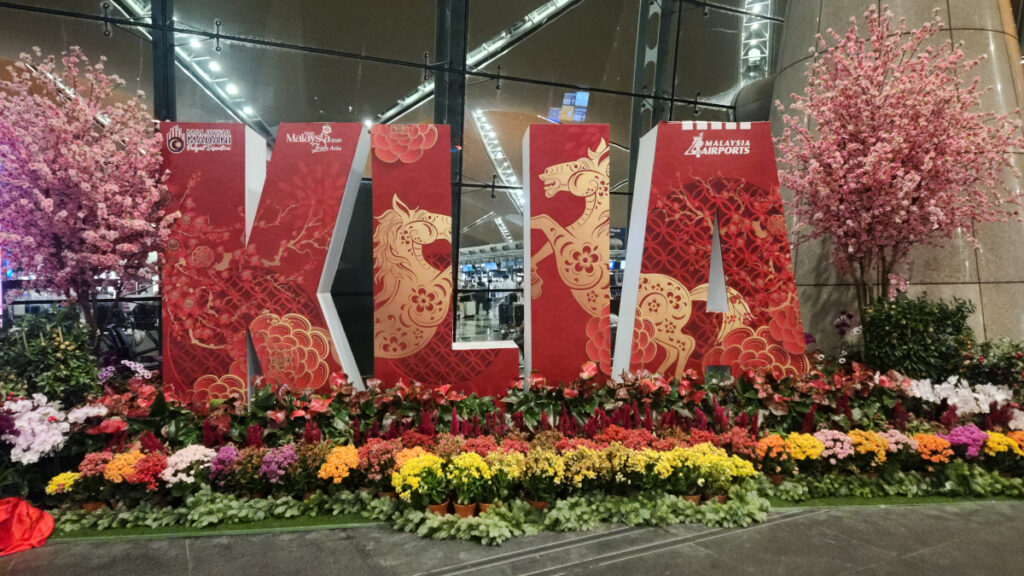
The departure from Malaysia held its own surprises. At the modern airport framed by lush greenery and flowers, we were ushered into a waiting area where we a woman in hijab drove us (in a Mercedes!) across the tarmac to a lounge. Would I go back to Kuala Lumpur/Malaysia? Heck yeah!
16 Comments
Wow, Alysa! | love that I can vicariously travel with you, learning about countries and cities through your incredible experiences. Now I want to try all the flavors l’ve never come across. Another amazing adventure!
Teresa – yay! Your comment made it! All good.
thanks for your note, love having you along for the ride! 🙂
Always fascinating places!! It’s the food!
We have a friend in Kuala Lumpur and now must go there😁💕
Thanks for your note! I think you would love KL!
Alysa thank you for sharing your adventures so generously!! You are a brave traveler and I appreciate so much reading your thoughts and impressions as well as the beautiful photos!!! I wish you a lifetime of adventure!!
Thanks for always responding and so positively! Here’s to future adventures together!
thank u for this wonderful journey that u take me along on.i learned alot and had a. delightful time
Loved travelling with you! Hugs from Ca…
Another incredible, wondrous adventure to experience and to report and remember. How fabulous. You’ve captured the concreteness of it all allowing your readers to sense the specificity of what you absorbed. Three very different counties and cultures. Your comment about Malaysian cuisine reminds me about a scholar from there whom I met (in Indonesia) who recited a saying: “If Colonel Sanders knew anything about our spices, he’d be promoted to general.”
What a great quote! We’ll have to catch up on your Indonesian adventures one of these days. And so many other topics!
Thanks for writing.
Thank you for sharing so beautifully the sights, encounters, smells and flavors of these less-traveled places!!
Thanks for your note!
Your blog takes me with you – I can small the scents of food and bodies and hear the music. I wish I had been with you every step, but this is almost as good. It amazes me that southeast Asia has not transformed entirely int a 22st century urban culture. Thank you for sharing these wonderful photos and your experiences meeting the local cultures. Can’t wait to open the three blogs you included. Traveling to remote areas was something I wanted from the time I was very young. I was fortunate to visit many wonderful places, and my heart will always be in Asia! I love your bringing your amazing travels to us all. Keep those red clogs dancing! Marney
Thanks Marney. So glad you could come along without the jetlag and packing stress!
More to come. Appreciate your support!
Another fascinating story of your travels!
I particularly enjoy hearing about your time spent in less developed countries, like Ethiopia. I think people who live a simpler life, uncomplicated by technology have so much to show those who are fortunate enough to visit them. Meeting basic human needs of shelter and food seem to be met with grace. Thank you for sharing your thoughts and photos. I love the adventure of reading about what you see and feel while traveling.
I agree with you competely. I often think of the kids we met in Africa – with one shoe – and the biggest smile on their faces.
Happiness there seems to emanate from within, not from stuff or experiences.